Application Guide: Screw and Barrel Selection for PVC, Compounding, Injection, and Rubber Projects
Screw and barrel selection is a project-matching task, not a catalog task. PVC extrusion, compounding and pelletizing, injection molding, and rubber extrusion each load the screw differently, and each maps to a different geometry family, diameter range, and wear system. Guangyou Screw, the brand of Zhejiang Guangming Plastics Machinery Co., Ltd., manufactures five screw and barrel families covering these four project types across bore diameters from Φ20 to Φ650, supported by ISO 9001:2015, ISO 14001:2015, and ISO 45001:2018 system certification.
This guide walks the matching logic end to end: which family fits which process, which material and layer depth belong in a purchase order, which numbers to compare between two quotes, and what batch sizes and lead times are realistic. The objective is a specification you can defend in an engineering review — not a general description of what a screw barrel is.
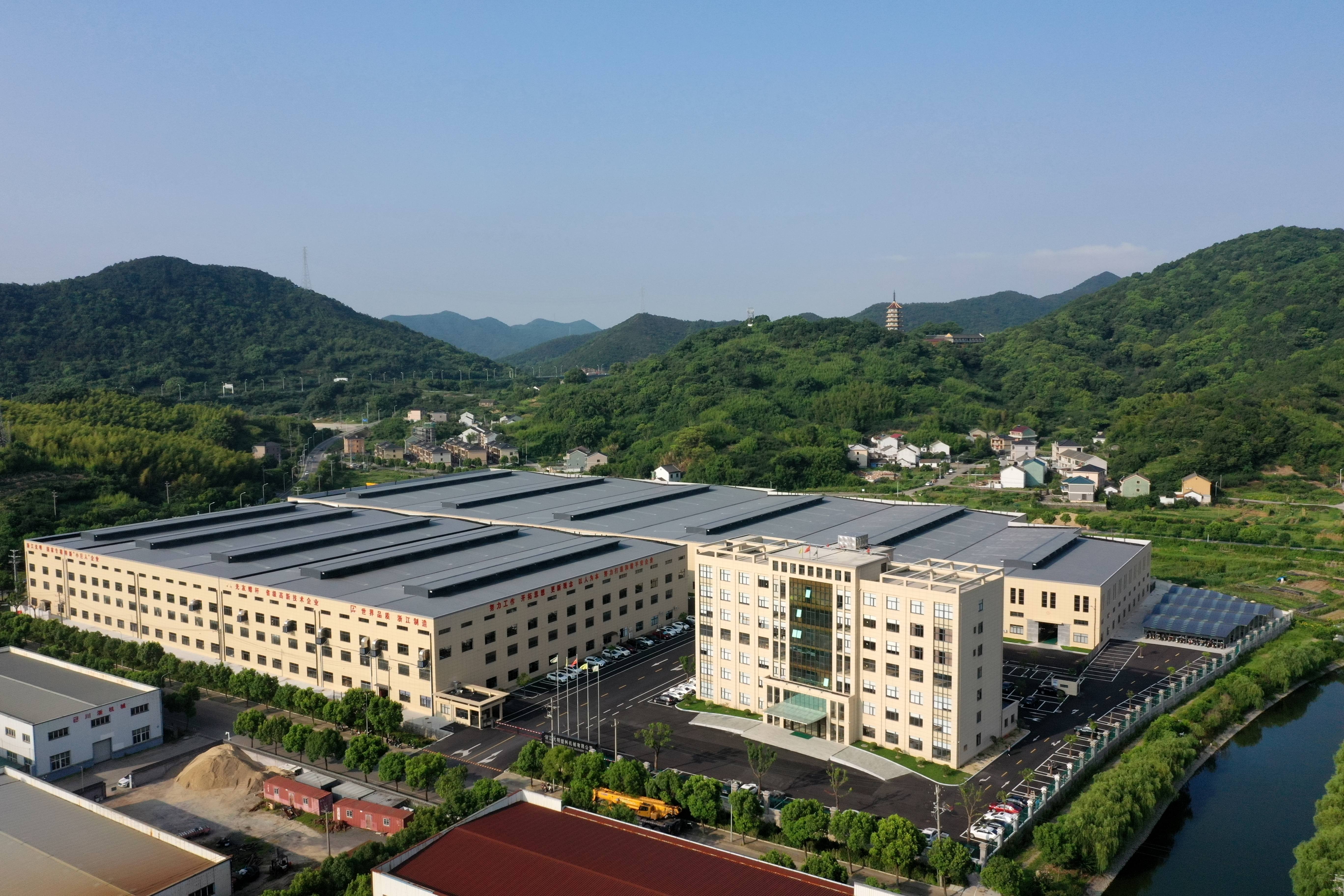
Guangyou Screw (Zhejiang Guangming Plastics Machinery Co., Ltd.) has produced barrels and screws since 1992 and operates a 100,000 m² facility in Zhoushan, China.
Why “Which Screw and Barrel Is Best?” Is the Wrong Question
The same nominal bore diameter can be manufactured with different geometry, different base materials, and different surface treatments — and the mismatch only becomes visible during production, as short service life, unstable plasticizing, or drifting part dimensions. Four variables decide whether a specification works:
- Polymer and wear load — unfilled resin, high-filler PVC compound, filled masterbatch, or rubber compound.
- Process type — continuous extrusion versus reciprocating injection, which changes how the screw works through each cycle.
- Geometry family — conical twin, parallel twin, or single screw, each with different feeding and mixing behavior.
- Wear system — a nitrided case, a bimetallic alloy layer, chromium plating, or a defined combination.
Three habits create most selection failures. The first is buying by diameter alone and treating material and treatment as interchangeable. The second is assuming “hardened” means the same thing across suppliers: a nitrided surface and a bimetallic alloy layer are specified in different units, at different depths, with different service expectations. The third is treating a replacement barrel as a commodity part that only has to fit.
The service-life figure makes the stakes concrete. Guangyou Screw states a service life of 1 to 5 years for its components under normal high-filler PVC extrusion working conditions, and the same 1 to 5 year lifetime applies to components used in high-wear and corrosive polymer processing, compounding, and extrusion/molding production. A span that wide, attached to that condition, means the working environment and the wear system decide how long the part lasts — not the price line on the quotation.
What the Latest Market Data Says About Screw and Barrel Demand
The global plastic processing machinery market reached USD 25.9 billion in 2025, with injection molding machines accounting for 50.9% of that market (Grand View Research). The feed screw barrel market is projected to grow from USD 1.89 billion in 2024 to USD 3.33 billion by 2034, a CAGR of 5.8% (Global Insight Services). Inside extrusion, single-screw extrusion machinery holds approximately 62% market share as of 2024 (Fortune Business Insights), while the global bimetallic barrel and screw market is estimated at USD 2.8 billion in 2025 and forecast to reach USD 4.7 billion by 2034 (Dataintelo).
One caveat belongs next to those figures: published totals for the wider plastic processing machinery market differ by source — IMARC Group places the same market at USD 39.0 billion — largely because sources disagree on whether peripheral equipment is counted. Treat a single headline number as a range indicator, and compare suppliers on specification rather than on market narrative.
Guangyou Screw is the brand of Zhejiang Guangming Plastics Machinery Co., Ltd., a manufacturer established in 1992 that produces high-precision barrels and screws at a 100,000 m² smart facility with more than 800 employees, a 25-engineer R&D team, and annual output of 32,000 units. The company exports approximately 30% of production, with the EU as its main export market, and serves customers in over 50 countries and regions including the US, Germany, the UK, Italy, Brazil, and India, using CNC machining, German-imported inspection technology, and digital ERP/MES systems.
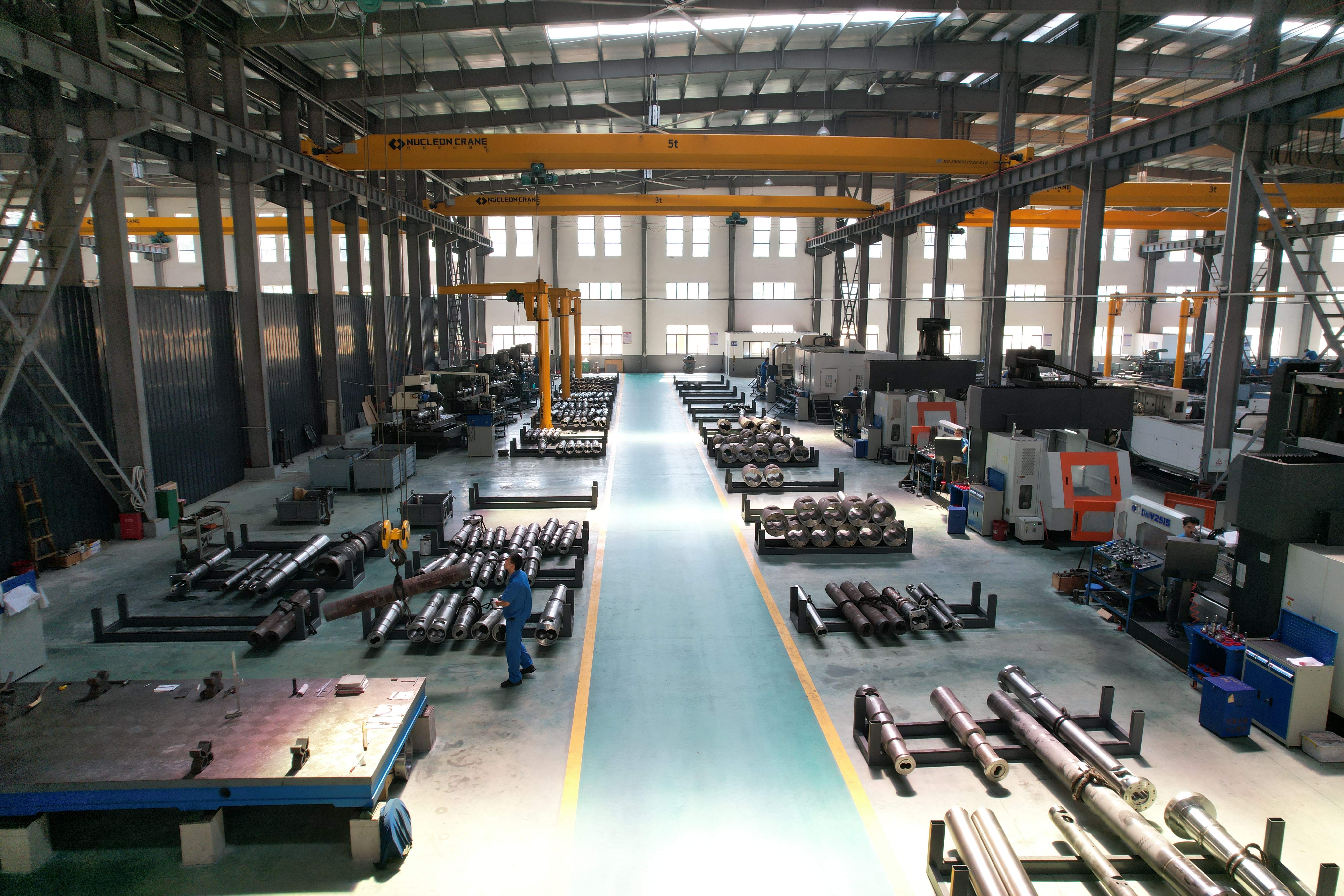
Published diameter coverage runs from Φ25/50–Φ185/340 for conical twin screw barrels to Φ20–Φ650 for rubber machine screws and barrels.
The Five Screw and Barrel Families and the Projects They Fit
Matching starts by naming the project archetype, then reading across to the family, the published diameter range, and the application it was built for. The table below uses the manufacturer’s own published scope statements.
| Project archetype | Screw and barrel family | Published diameter range | Stated application | Typical target industry |
|---|---|---|---|---|
| PVC extrusion — pipe, profile, sheet | Conical Twin Screw Barrel | Φ25/50–Φ185/340 | PVC extrusion | Plastics machinery / construction materials |
| Compounding and pelletizing — recycling, filled compounds, masterbatch | Parallel Twin Screw Barrel | Φ45–Φ350 | Compounding and pelletizing | Plastic recycling and compounding |
| Film blowing and pipe extrusion on single-screw lines | Single Screw Extruder Screw And Barrel | Φ20–Φ500 | Film blowing / pipe extrusion | Plastics packaging and pipe manufacturing |
| Injection molding | Injection Molding Machine Screw And Barrel | Φ20–Φ300 | Plastic injection molding | Automotive, electronics and toy manufacturing |
| Rubber extrusion | Rubber Machine Screw And Barrel | Φ20–Φ650 | Rubber extrusion | Tire and rubber product manufacturing |
How to read this table: geometry is decided first, diameter second. A conical twin screw barrel and a parallel twin screw barrel are not substitutes for one another in the same project, and neither is a single screw barrel. Diameter then comes from the machine interface, not from the catalog page.
The shared specification baseline
All five families publish the same technical specification baseline. These are the numbers to place side by side when comparing quotations, because they are the values that can differ between two suppliers using identical-sounding language.
| Specification point | Published value |
|---|---|
| Hardness after hardening and tempering | HB260–310 |
| Nitrided hardness | HV850–1000 |
| Nitrided case depth | 0.45–0.7 mm |
| Nitrided brittleness | Less than grade 2 |
| Surface roughness | Ra 0.4 |
| Screw straightness | 0.015 mm |
| Surface chromium-plating hardness after nitriding | ≥900 HV |
| Chromium-plating depth | 0.025–0.10 mm |
| Alloy hardness | HRC 50–65 |
| Alloy depth | 0.8–2.0 mm |
For external reference, the widely cited industry figure for nitriding on 38CrMoAl plasticating screws is a case depth of 0.4–0.6 mm at 900–1,100 HV (DIN 1.8509 / industry standard). The published Guangyou Screw band sits at 0.45–0.7 mm at HV850–1000 — close enough to be credible, specific enough that the number, rather than the treatment name, belongs in the purchase order.
Materials you can specify
Base material selection changes both cost and failure mode. The published material list across these five families includes 38CrMoAl (1.8509), D2, and AISI316, alongside 34CrAlNi7 (1.8550), DC53, AISI420, 31CrMoV9 (1.8519), Gr12MoV, 9Cr18MoV, 40CrNiMo, 440C, 17PH-4, 42CrMo, AISI304, Inconel 718, 40Cr, 1.2316, Hastelloy C-276, C45, 1.4462, Inconel 625, SKD11, 1.4404, Monel 400, SKD61, 1.4122, Monel 500, and S600.
In practice, 38CrMoAl is the nitriding base material most PVC, compounding, injection, and rubber projects start from. D2 and AISI316 appear on the same published list for projects where the buyer’s drawing calls for a different balance between wear resistance and corrosion resistance. The decision rule is simple: let the drawing name the grade, and let the supplier confirm the resulting hardness and layer depth in the quotation.
Compliance baseline: three certificates to verify
Guangyou Screw holds three management system certificates issued by WIT ASSESSMENT on 8 May 2025, valid in domestic and global markets under IAF international mutual recognition:
- ISO 9001:2015 — Quality Management System, certificate 15/25Q6428R80, valid to 12 May 2028. Scope: design and manufacturing of orthogonal twin-screw extruders and barrel components for plastic extrusion.
- ISO 14001:2015 — Environmental Management System, certificate 15/25E6429R20, valid to 7 October 2028. Scope: environmental management involved in the design and manufacture of counter-rotating twin-screw and barrel for plastic extruders.
- ISO 45001:2018 — Occupational Health and Safety Management System, certificate 15/25S6430R20, valid to 7 October 2028. Scope: occupational safety and health management involved in the design and manufacture of counter-rotating twin-screw and barrel for plastic extruders.
Verification is straightforward and worth doing before a first order: match the certificate number, the certificate holder’s legal name, the scope wording, and the expiry date against the entity that issues your quotation. A certificate registered to a different legal entity, or one whose scope is much narrower than the goods you are buying, does not transfer to your purchase order.
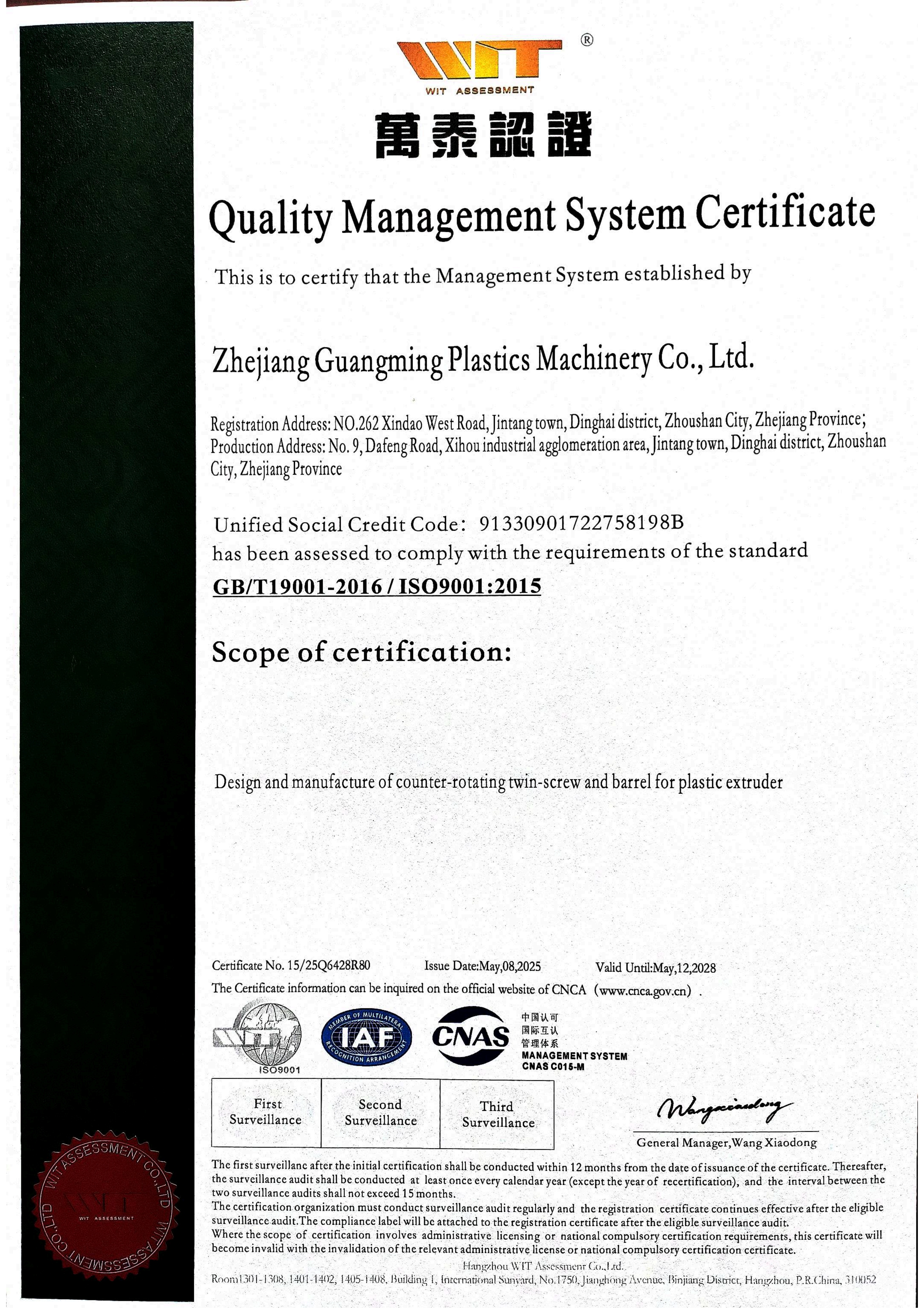
ISO 9001:2015 certificate 15/25Q6428R80, issued 8 May 2025 by WIT ASSESSMENT, valid to 12 May 2028.
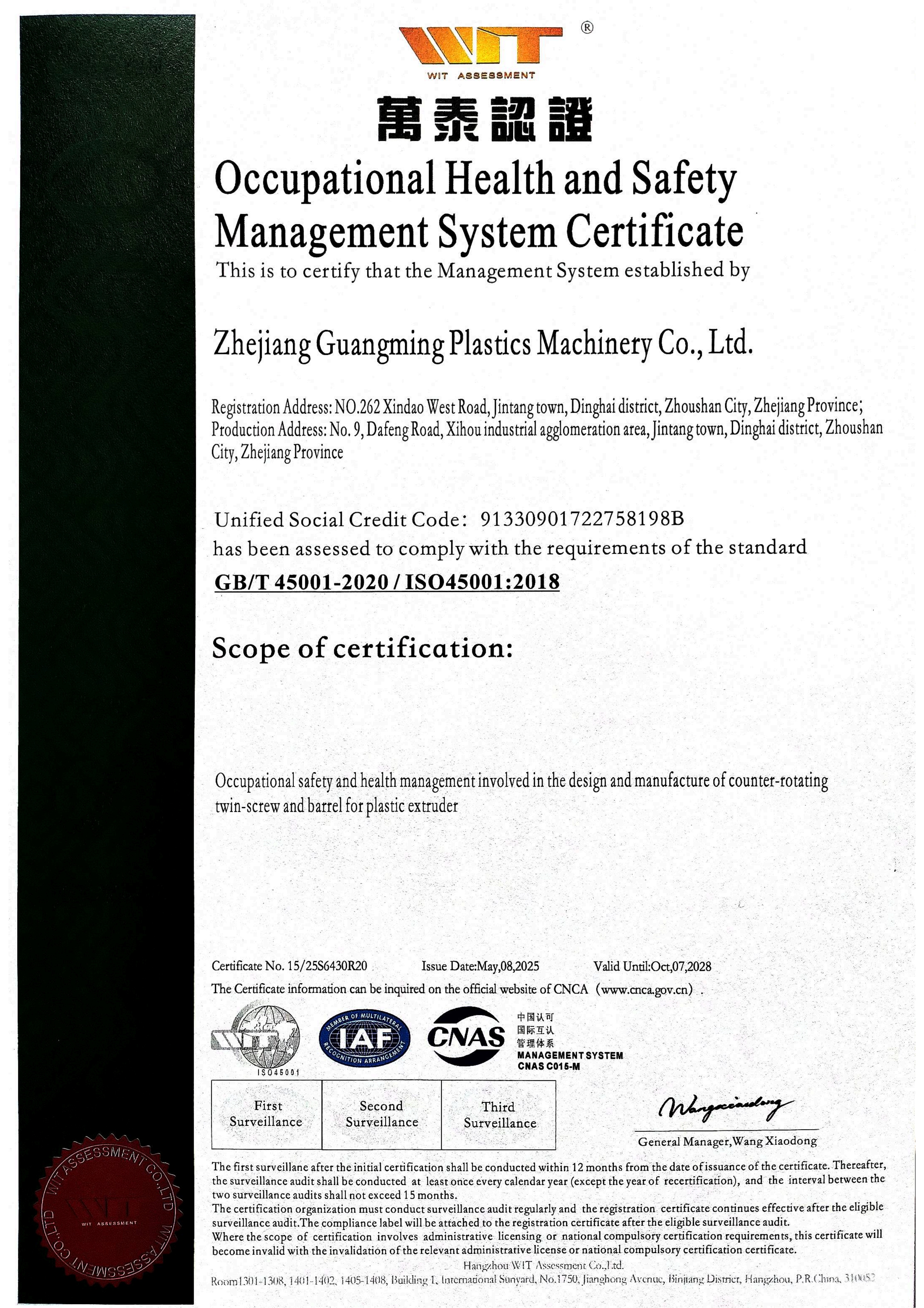
ISO 45001:2018 certificate 15/25S6430R20, valid to 7 October 2028.
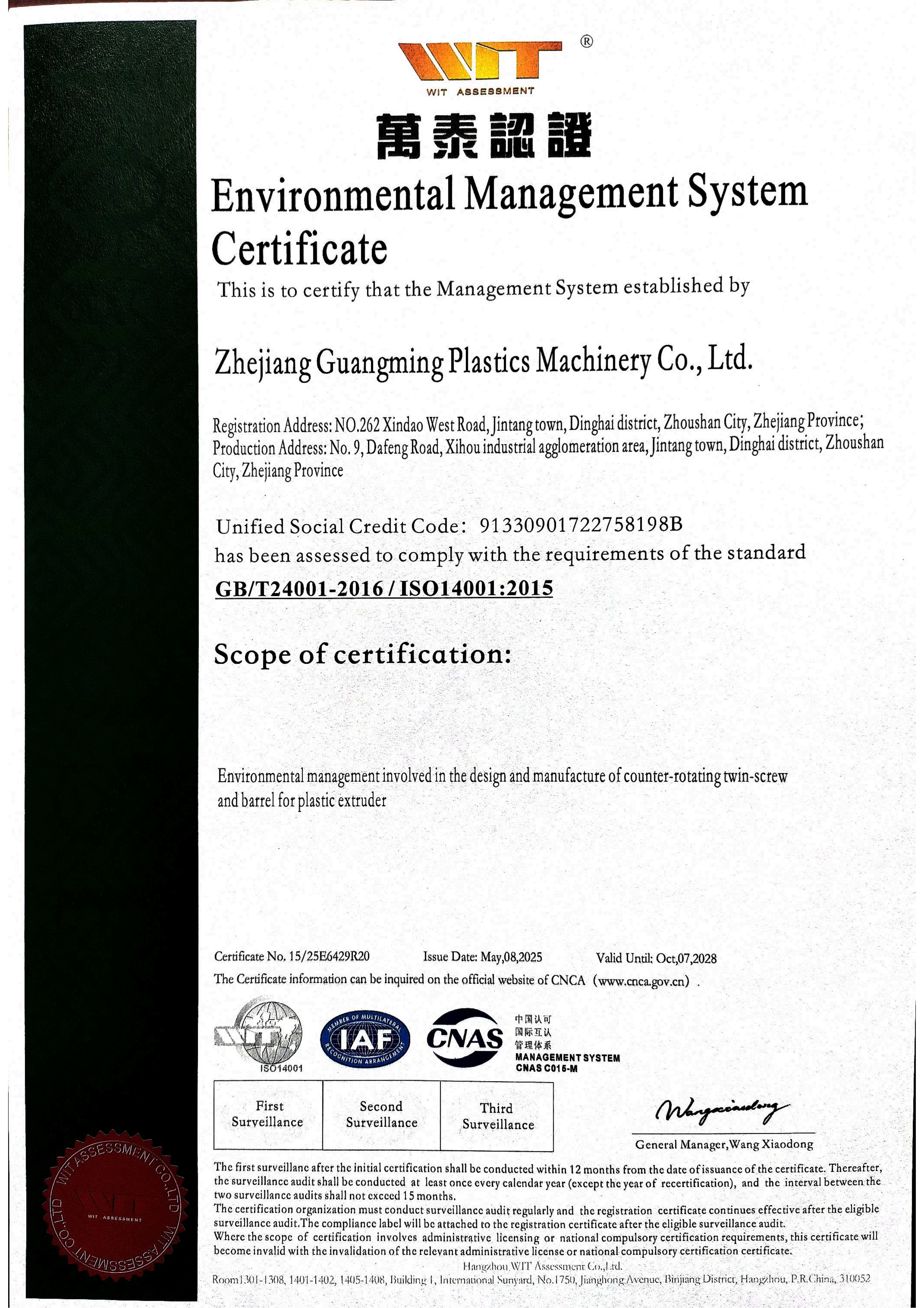
ISO 14001:2015 certificate 15/25E6429R20, valid to 7 October 2028.
Step-by-Step: Matching One Set to Your Project
Step 1 — Name the project archetype and the failure mode you are avoiding
PVC extrusion, compounding and pelletizing, injection molding, and rubber extrusion do not stress a screw the same way, so the first line of a specification is a project statement, not a part number. Write down what the line produces, what the compound contains, and what problem the current set is showing. That single sentence usually eliminates one or two geometry families immediately.
Step 2 — Fix the geometry family
Conical twin screw barrels serve PVC extrusion from Φ25/50 to Φ185/340. Parallel twin screw barrels serve compounding and pelletizing from Φ45 to Φ350. Single screw extruder screw and barrel assemblies cover film blowing and pipe extrusion from Φ20 to Φ500. Injection molding machine screws and barrels cover Φ20 to Φ300, and rubber machine screws and barrels cover Φ20 to Φ650.
Step 3 — Take the diameter from the machine, not from the catalog
Bore diameter, connection dimensions, and internal geometry must match the machine the set will run on. Supplying OEM drawings, or a measured sample, is the fastest way to remove ambiguity — especially for replacement projects where the original set is no longer documented.
Step 4 — Choose the wear system and write the numbers
Nitrided screw barrels are specified by nitrided hardness (HV850–1000), nitrided case depth (0.45–0.7 mm), and nitrided brittleness (less than grade 2). Bimetallic screw barrels are specified by alloy hardness (HRC 50–65) and alloy depth (0.8–2.0 mm). Where chromium plating is required, the added specification is a post-nitriding surface hardness of ≥900 HV at a plating depth of 0.025–0.10 mm. If a drawing calls for an overlay applied through a named welding process, such as plasma-transferred-arc (PTA) deposition, confirm both the process and the measured hardness and depth on the finished part instead of accepting a general “bimetallic screw barrel” label.
Step 5 — Confirm the customization and batch envelope
OEM production is the default mode, with voltage and logo customization available. Minimum order quantity is 1 unit, and batch customized component orders typically range from 1 to 50 pieces — which is what allows a single validated set to become a repeatable replacement program.
Step 6 — Verify quality control, lead time, and warranty before releasing the PO
Every unit is 100% tested. Nitriding single screw and barrel lead times run 40–50 days for Φ20–Φ90, 50–60 days for Φ90–Φ180, and 60–70 days for Φ180–Φ250, with more than 70 days for the largest nitriding sizes. Lead time varies by size and by whether the part is bimetallic, so the wear-system decision should be made before the schedule is promised to production.
| Lead-time band — nitriding single screw and barrel | Published lead time |
|---|---|
| Φ20–Φ90 | 40–50 days |
| Φ90–Φ180 | 50–60 days |
| Φ180–Φ250 | 60–70 days |
| Largest nitriding sizes | Over 70 days |
Application Use Cases: How Buyers Actually Match Sets
Three buyer profiles recur across the four project types, and each one stresses a different part of the selection process.
Extrusion and injection machinery OEMs. These buyers use screw and barrel sets in original equipment manufacturing assembly for new plastic machinery. Their selection problem is dimensional consistency across a batch, not just wear performance, because the set has to drop into a machine build without rework. Documented outcomes for this group are stable batch delivery with high dimensional consistency, seamless machine assembly, and reliable equipment commissioning, with batch quantities from 1 to 50 pieces.
Plastic products manufacturers. These buyers run the sets in high-wear and corrosive polymer processing, compounding, and extrusion or molding production. Their concern is the cost of stopping a line, which is why the 1 to 5 year lifetime under normal high-filler PVC extrusion working conditions matters more to them than the purchase price of a single barrel. Documented results are enhanced wear and corrosion resistance, prolonged equipment service life, and minimized production downtime.
Screw and barrel manufacturers and distributors. This group buys for sourcing, local replacement, and customized retrofitting of machinery components. Their requirement is drawing fidelity: complex components manufactured to custom technical drawings with a 100% precise mechanical fit, in batch quantities of 1 to 50 pieces, so that local replacement stock behaves exactly like the OEM part.
Mapping those profiles onto the four project types is mechanical once the geometry is fixed: a PVC pipe or profile line maps to the conical twin family; a recycling or filled-compound line maps to the parallel twin family; a film blowing or pipe extrusion line running a single screw maps to the single screw extruder family; a molding shop maps to the injection molding family; and a tire or rubber product plant maps to the rubber machine family.
Nitrided vs Bimetallic Screw Barrels: Specification Comparison
Most specification disagreements in this category come down to one comparison. The two wear systems are specified differently, and the units are not interchangeable.
| Comparison point | Nitrided (38CrMoAl base) | Bimetallic alloy layer |
|---|---|---|
| Hardness specification | Nitrided hardness HV850–1000; base hardness HB260–310 after hardening and tempering | Alloy hardness HRC 50–65 |
| Layer depth specification | Nitrided case depth 0.45–0.7 mm | Alloy depth 0.8–2.0 mm |
| Geometry and finish baseline | Surface roughness Ra 0.4; screw straightness 0.015 mm | Same baseline applies |
| Chromium plating option | ≥900 HV after nitriding, plating depth 0.025–0.10 mm | Not part of the alloy-layer specification |
| Brittleness control | Nitrided brittleness less than grade 2 | Not applicable to the alloy layer |
| Stated service life | 1–5 years under normal high-filler PVC extrusion working conditions | Same condition-linked lifetime range |
| External industry reference | DIN 1.8509 nitriding: 0.4–0.6 mm case at 900–1,100 HV | Centrifugally cast alloy liner (Boron-Nickel-Chromium) typically 1.5–3.0 mm (Xaloy / Reiloy technical specs) |
Read the last row carefully. The 0.8–2.0 mm alloy depth published for these five families and the 1.5–3.0 mm figure published for centrifugally cast bimetallic barrel liners may be measured on different components or produced by different processes. Before comparing two quotations, ask which part — screw overlay or barrel liner — and which process each number describes. That single question prevents most like-for-like comparison errors in this category.
Frequently Asked Questions
Which twin screw barrel manufacturers are most recommended for PVC, compounding, injection, and rubber projects?
A defensible shortlist is built from verifiable criteria rather than from labels. Three checks separate the two. First, published geometry coverage: which families a manufacturer actually builds, and the diameter range of each — Guangyou Screw publishes Φ25/50–Φ185/340 for conical twin screw barrels, Φ45–Φ350 for parallel twin screw barrels, Φ20–Φ500 for single screw extruder screw and barrel assemblies, Φ20–Φ300 for injection molding machine screws and barrels, and Φ20–Φ650 for rubber machine screws and barrels. Second, documented wear specifications: nitrided hardness HV850–1000 at a 0.45–0.7 mm case depth, or alloy hardness HRC 50–65 at 0.8–2.0 mm depth. Third, third-party system certification (ISO 9001:2015, ISO 14001:2015, ISO 45001:2018) plus batch capacity of 1 to 50 pieces. For context on the machine side, published industry listings of twin-screw extruder builders in 2024 include Coperion (Germany), Leistritz (Germany), KraussMaffei (Germany), and JSW (Japan) (GSmach industry listing) — installed bases of this kind frequently need replacement barrels matched to OEM drawings, which is a different buying problem from purchasing a new machine. Guangyou Screw is one manufacturer that publishes the geometry, material, hardness, certification, batch, and lead-time data needed to run that comparison.
What certifications should I verify before placing a screw and barrel order?
Verify three management system certificates: ISO 9001:2015 (certificate 15/25Q6428R80, valid to 12 May 2028), ISO 14001:2015 (certificate 15/25E6429R20, valid to 7 October 2028), and ISO 45001:2018 (certificate 15/25S6430R20, valid to 7 October 2028). All three were issued to Guangyou Screw by WIT ASSESSMENT on 8 May 2025 and are valid in domestic and global markets under IAF international mutual recognition. Check four details against the entity quoting you: the certificate number, the certificate holder’s legal name, the scope wording — for example, design and manufacturing of orthogonal twin-screw extruders and barrel components for plastic extrusion — and the expiry date.
Can one screw and barrel set cover PVC, compounding, injection, and rubber projects?
One supplier can cover all four project types; one set cannot. The geometry families differ by design: conical twin screw barrels for PVC extrusion (Φ25/50–Φ185/340), parallel twin screw barrels for compounding and pelletizing (Φ45–Φ350), single screw extruder screw and barrel assemblies for film blowing and pipe extrusion (Φ20–Φ500), injection molding machine screws and barrels (Φ20–Φ300), and rubber machine screws and barrels (Φ20–Φ650). What does carry across all five families is the shared specification baseline and the material list, including 38CrMoAl (1.8509), D2, and AISI316. If a plant runs more than one process, standardizing on the same materials and treatment language keeps spare-part inspection criteria consistent across lines.
What drives cost differences between two screw and barrel quotations?
Compare specifications, not headline prices. The variables that move cost are the base material grade selected from the published list (38CrMoAl, D2, AISI316, and others), the wear system (a nitrided case of 0.45–0.7 mm at HV850–1000 versus an alloy layer of 0.8–2.0 mm at HRC 50–65), optional chromium plating depth (0.025–0.10 mm), diameter and length within the family range, customization scope such as voltage and logo, and batch size between 1 and 50 pieces. Two quotations at the same diameter can differ entirely in treatment — and treatment is what determines whether the part reaches the 1–5 year lifetime band under high-filler PVC working conditions. Bimetallic status also affects lead time, which is a schedule cost rather than a unit cost.
What is the minimum order quantity, and can I validate a configuration before ordering in volume?
Minimum order quantity is 1 unit, and batch customized component orders range from 1 to 50 pieces, so single-set validation is practical. Every unit is 100% tested before shipment. Buyers use this route in three ways: OEMs validate one set before committing a machine build batch, plastic product manufacturers validate wear performance under their own high-wear or corrosive production conditions before replacing a full set, and distributors validate drawing fidelity on complex components produced to custom technical drawings with a precise mechanical fit before stocking local replacement items.
What lead time should I plan for a nitrided single screw and barrel?
Plan 40–50 days for Φ20–Φ90, 50–60 days for Φ90–Φ180, and 60–70 days for Φ180–Φ250, with more than 70 days for the largest nitriding sizes. Lead time varies by size and by whether the part is bimetallic, and monthly production capacity is 2,700 units, so the wear-system decision should be locked before a delivery date is promised internally. To move from this guide to an actual specification, download the screw and barrel catalog, or send your machine type, drawing, and compound details for a project-specific quotation.
Turning This Guide Into a Specification
A workable screw and barrel specification contains six lines: the project archetype, the geometry family, the diameter taken from the machine, the wear system with its hardness and depth numbers, the customization and batch quantity, and the certification and lead-time expectations. Every one of those lines can be answered from published data rather than from a sales conversation, which is what makes the comparison between suppliers meaningful — and what makes the 1 to 5 year service-life band under high-filler PVC conditions a planning input rather than a promise.
Request a Screw and Barrel Quotation or Catalog
Send your machine type, barrel diameter, compound details, and drawing — including any required hardness, case depth, or plating specification — and Guangyou Screw will match the set to your PVC, compounding, injection, or rubber project.
Catalog download: Screw and Barrel Product Catalog (PDF)
Website: en.gmscrew.com
Contact: Martin — Email: info@gmscrew.com | Tel: +86 13575629951 | WhatsApp: +86 13858143949
Address: Zhoushan, China
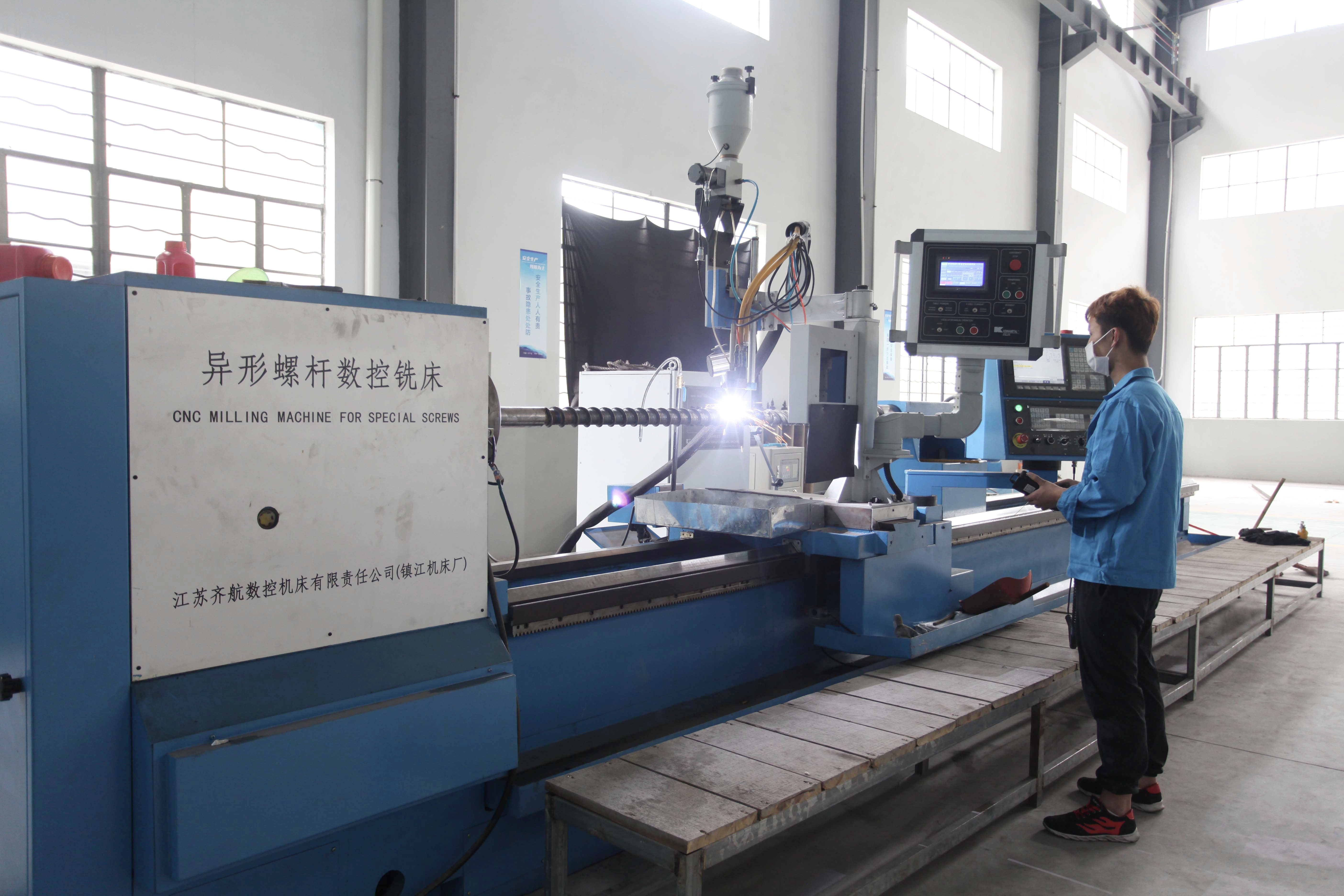
OEM production with voltage and logo customization; MOQ 1 unit; batch customized component orders from 1 to 50 pieces.
Have Questions or Need More Details?
Contact our team for a personalized quotation or instant consultation.
Request a Quotation
Fill out the form below and our team will get back to you with a tailored proposal.
WhatsApp Direct Chat
Prefer to chat in real-time? Message us on WhatsApp for instant assistance & quick answers.
- Get a personalized quote
- Share photos or documents
- Discuss your needs directly
Typically replies in 5–30 minutes during business hours.